A Passport Cover Embroidery Design Review for Real Projects
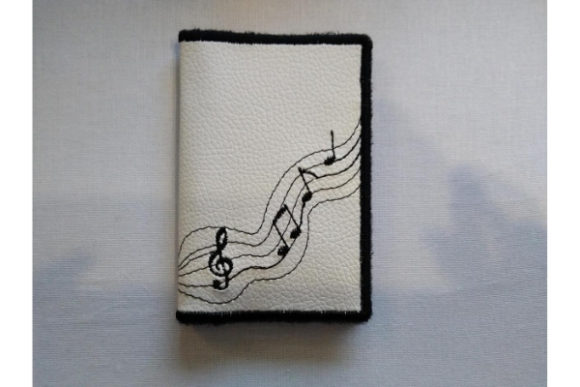
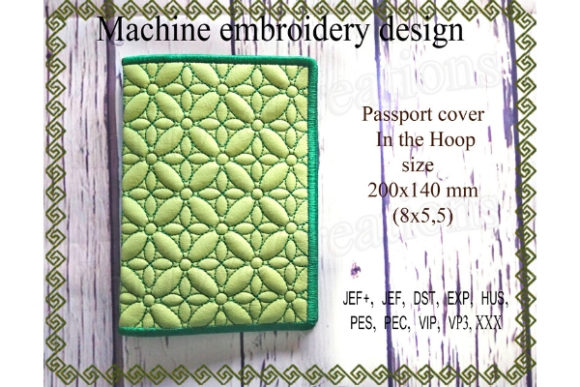
When I first saw the Passport Cover embroidery design, my immediate thought was, “this is a gift-maker.” It’s not just a graphic; it’s a statement piece with a specific, warm purpose. The layout feels balanced and intentional, not overly cluttered, giving it a clean, sophisticated personality. This isn’t a flashy novelty design—it’s something with inherent sentimental value, which is a powerful starting point for any embroidery project.
The Natural Habitat for This Design
In my work, I always ask: where does a design belong? The Passport Cover design doesn’t scream for a t-shirt. Instead, it whispers for something more personal and durable. I envision it beautifully stitched onto a high-quality canvas tote bag, perhaps as a custom gift for a friend embarking on a long trip. Or, imagine it on a neat, linen pillow cover in a guest room—a subtle nod to a host’s love of travel. For small business owners, especially those selling in niches like personalized travel gifts or boutique baby items (think a ‘future explorer’ nursery blanket), this design adds a layer of thoughtful storytelling to your merchandise.
Its clarity and classic theme make it a strong candidate for an embroidered patch, too. A well-made patch with this design could be applied to a journal cover or a denim jacket, transforming a simple item into a personalized keepsake. The value isn’t just in the stitches; it’s in the emotion it conveys, which directly boosts the perceived value of your finished product.
Stitching It Into Reality: Practical Performance
Let’s move from mood to machine. How will this design behave when the needle starts moving? The detail level suggests it should maintain good stitching clarity on common project fabrics like mid-weight cotton, linen, or stable polyester for tote bags and pillow covers. For apparel decorators considering it on a sweatshirt, the stitch density will be key—using a proper stabilizer is non-negotiable to prevent puckering on that knit fabric.
I would be cautious with very small hoop sizes. The design likely needs a decent area to allow its elements to breathe and remain distinct. On textured fabrics like some blankets or boucle, the fill stitches might lose some sharpness, so a test run on a scrap is essential. Similarly, on dark fabric backgrounds, thread color contrast becomes paramount. You’ll want to choose thread colors that pop, not blend, to maintain that clean, professional finish.
Where to Exercise Extra Care
While versatile, this design demands a practical approach in certain scenarios. Stretchy fabric like t-shirts requires meticulous stabilization and possibly reducing the design scale to minimize stress. Curved surfaces like caps can be tricky; the design’s layout might need to be adjusted or centered perfectly to avoid distortion at the seams.
If the design includes tiny lettering or very dense decorative accents, these areas are the first to check in your test stitch-out. They can fill in or become muddy if the stitch parameters aren’t optimal. For products destined for frequent washing, like kitchen towels or baby items, ensure your thread choices and stabilizer techniques are robust enough for the long haul. A design like this should last, not fade or fray quickly.
From Digital File to Customer Trust
For crafters and Etsy sellers, the transition from a digital embroidery file to a tangible product is where trust is built. A well-executed Passport Cover design on your handmade product speaks to quality. The crispness of the satin stitches, the smoothness of the fill areas, all contribute to a presentation that feels professional and deliberate. This directly influences buyer engagement—it looks like a product worth owning, not just a quick craft.
For brand consistency, if your small shop revolves around travel, exploration, or personalized gifts, this design can become a reliable asset in your collection. It’s gift-ready by nature, which simplifies your marketing. Customers recognize its purpose instantly, making it an easy sell for holidays, weddings, or farewell presents.
A Designer’s Notebook: Essential Pre-Stitch Checks
Before you commit this design to a client project or your next craft fair batch, here’s my practical checklist. First, always stitch it out on scrap fabric identical to your final project material. This reveals everything: actual stitch density, thread color interaction, and any potential hiccups with small details.
- Check the design in both light and dark fabric mockups, even if just digitally. Does it hold its visual weight on both?
- Confirm the exact hoop size needed. Don’t assume; verify it fits your machine’s capabilities and your project’s physical space.
- Review the provided embroidery file formats for your machine’s compatibility. This is a basic but crucial step.
- Most importantly, clarify the licensing. If you’re selling the finished embroidered products or using it in commercial embroidery for clients, ensure your use is permitted. This protects your business.
The Passport Cover design has the hallmarks of a high-quality embroidery file: a clear purpose, a balanced composition, and the potential to elevate a simple sewing project into a meaningful item. By approaching it with this realistic, testing-minded framework, you can confidently turn it into a product that reflects your own skill and resonates deeply with its recipient.