A Designer's First Impressions of the Card Case Embroidery Design
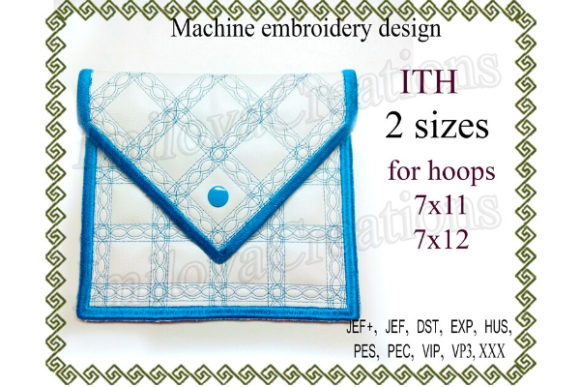
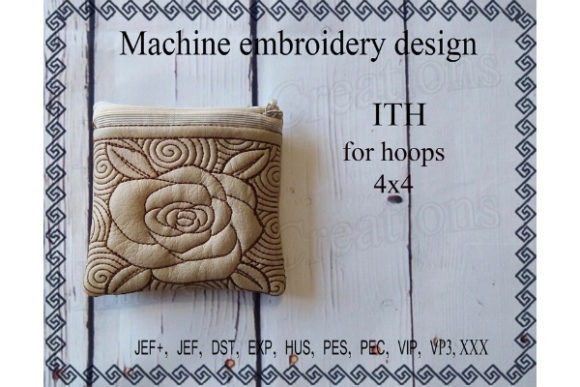
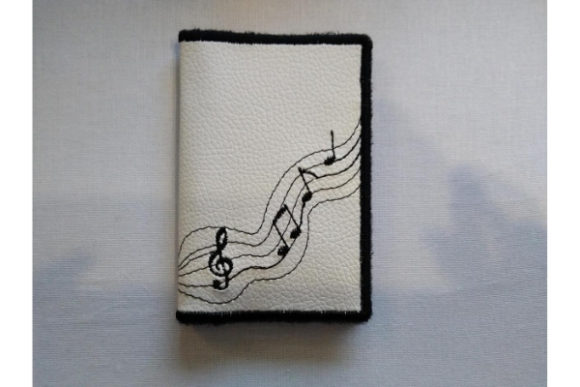
When I first opened the Card Case embroidery file, my immediate thought was, 'This is ready for work.' It has that clean, practical feel—a design that doesn't shout but simply presents itself with confidence. The layout feels balanced, and the detail level suggests it’s meant to be seen and appreciated, not just glanced at. This isn't a flashy, over-the-top motif; it’s a design with a quiet personality that would lend a sense of thoughtful craftsmanship to a finished product.
The Perfect Project Match: Where This Design Belongs
In my mind, I instantly pictured it on a high-quality canvas tote bag. It’s the kind of design a boutique would use for its branding—subtle but recognizable, elevating a simple bag into a handmade product with character. I also saw it working beautifully on a linen apron or a cotton pillow cover, adding a touch of personalized detail without overwhelming the item. For Etsy sellers and small shop owners, this design is a versatile asset. It could anchor a line of custom apparel like relaxed sweatshirts or become a signature element on embroidered patches for caps.
It also strikes me as an excellent choice for holiday embroidery or wedding gifts. Imagine this design stitched onto a set of kitchen towels for a housewarming gift, or on a blanket for a newborn. The theme is universal enough to feel special without being overly niche. Its visual appeal lies in its clarity; when stitched well, it will look deliberate and professional, which directly boosts product value and customer trust. A customer receiving a personalized gift with this embroidery would sense the care taken in its creation.
Navigating the Stitching: Practical Performance Notes
For real-life embroidery situations, the Card Case design’s success will hinge on thoughtful execution. On custom apparel like t-shirts or baby clothes, using the proper stabilizer is non-negotiable, especially if the fabric has any stretch. The design’s likely stitch density in areas of fill stitch will need a stable foundation to prevent puckering. On thicker fabrics like sweatshirts or tote bags, it should perform splendidly, offering crisp definition.
My professional instinct is to be cautious with very small hoop sizes. If the design has intricate details or small corners, compressing it into a tiny hoop might lose some of that stitching clarity. Always test the design on scrap fabric first, using the same fabric texture you plan for the final project. This is crucial for textured fabrics like terry cloth or for dark fabric backgrounds where thread color contrast is paramount. Does the design pop on both light and dark backgrounds? A quick test in black and white mockups can help visualize this before committing thread.
Areas for Extra Attention
When considering applications, I'd use this design carefully on highly curved surfaces like caps. The geometry needs to sit well on the curve. Also, for products that will undergo frequent washing, such as baby embroidery items or kitchen towels, ensuring the stitch structure is secure and using quality threads will maintain the design’s integrity over time. If the design incorporates tiny lettering or very dense satin stitch areas, inspecting those small details during a test run is essential. They can be the first points to show wear if not stitched optimally.
From Digital File to Finished Product: The Business Perspective
For creative entrepreneurs and digital product sellers, this machine embroidery design represents a solid design asset. Its versatility makes it a good candidate for printable mockups in your shop listings, showing customers the potential on various items. The fact that it comes with multiple embroidery file formats is a significant practical advantage, as it broadens compatibility for different machines and users.
Before integrating it into your craft business lineup for commercial embroidery projects or selling finished items, the absolute first step is to confirm the licensing terms. The product description notes it can be used in multiple embroidery m... but you must clarify the specifics: is it licensed for personal use, for selling physical finished products, or for reselling the digital file itself? This groundwork protects your business and ensures brand consistency and professionalism.
When stitched onto your small shop merchandise or craft fair products, the Card Case design contributes to a cohesive, handmade presentation. It feels intentional, which engages buyers looking for something beyond mass-produced decoration. It’s a design that doesn’t just fill space; it adds a layer of thoughtful craft.
The Designer's Final Checklist Before Hooping
- Run a test stitch on your intended project fabric—or its closest scrap equivalent.
- Evaluate the thread palette for optimal contrast against your background material.
- Review the stitch density on your test piece; is it suitable for your chosen fabric weight?
- Confirm the hoop size you need for the design to stitch without compromise.
- Inspect the small details and corners in your test for any potential issues.
- Use a stabilizer appropriate for your fabric type and the design’s structure.
- Verify the design’s file compatibility with your specific embroidery machine.
- Double-check the usage license for your intended purpose (personal or commercial).
Approaching the Card Case with this practical, measured mindset transforms it from a digital file into a reliable partner for your next embroidery project. It’s a design that, when handled with the respect good craft demands, will reward you with a clean, professional result that enhances any product it graces.