A Designer's Practical Review: The Cosmetic Bag Rose Embroidery
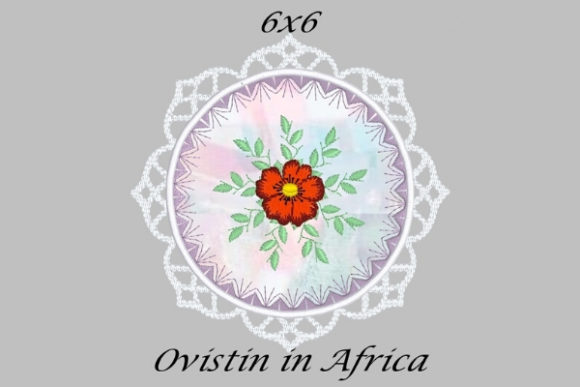
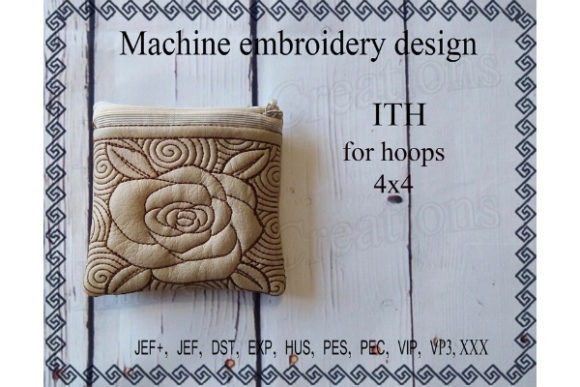
When you’re evaluating a machine embroidery design for real project use, the first thing you look for isn't just the aesthetic—it’s the story it tells and the product it will become. The Cosmetic Bag – Rose design, upon first glance, speaks directly to that thoughtful process. This isn't a loud, graphic-heavy piece; it's a classic, elegant single rose motif that carries a sense of personalization and quiet luxury. The layout is centered and balanced, with a level of detail that suggests it’s meant to be a focal point, not a background filler. Its visual personality is feminine, refined, and universally appealing, which immediately makes you think of gifts, boutique items, and products where the embroidery itself is the star.
The Mood It Sets and Where It Naturally Belongs
Imagine pulling this design up on your screen, preparing to stitch it onto a canvas tote bag for a client’s custom order. The rose isn't overly romantic or vintage; it's clean and modern. This mood is perfect for transforming everyday items into special ones. I see it thriving on personalized gifts like cosmetic bags (of course), pillow covers for a bedroom refresh, or elegant kitchen towels that feel more like a decor item. For small shop merchandise, this design adds value without overwhelming the base product. An Etsy seller could use this on a simple baby blanket or a linen apron and instantly elevate the item’s perceived craftsmanship.
Performance in Real-Life Embroidery Situations
Let’s talk about how this rose would actually perform when the needle starts moving. On a standard cotton tote or a heavyweight sweatshirt, I expect this design to stitch out with clarity. The detail level suggests it will use a combination of fill stitches for the petals and likely satin stitches for defining lines, which should result in a clean, dimensional look. For baby clothes or lighter fabrics like a t-shirt, the stitch density will be crucial—you'd want to ensure the stabilizer is robust to prevent puckering. On caps or hats, the curved surface could work well with this centered, compact motif, but the design’s corners and any potential tiny details would need to be inspected in a test run first.
For commercial embroidery projects or creating patches, this rose is a strong candidate. It’s recognizable and brandable. A handmade business could use it as a consistent element across a line of products, building brand consistency. In a printable mockup or digital product preview for selling the finished item online, this design photographs well because it’s not overly busy; it conveys quality and care, which builds customer trust and engagement.
Where to Apply Caution and Careful Planning
As an experienced designer, I always consider the limitations. The Cosmetic Bag – Rose, while versatile, requires thoughtful application. On very small hoop sizes, some of the interior detail might lose definition if it’s scaled down too much. Stitching it on textured fabrics like some towels or on stretchy fabrics for activewear would demand extra attention to stabilizer choice to maintain stitching clarity. Dark fabric backgrounds are a classic challenge—you must check thread color contrast meticulously. A white or light rose on a black sweatshirt can be stunning, but you need to ensure the fill stitches are dense enough to prevent the dark fabric from showing through and dulling the impact.
For products destined for frequent washing, like baby items or kitchen linens, the integrity of the stitches over time is key. A well-digitized design with appropriate density will hold up, but this is why testing on scrap fabric first is non-negotiable. Also, applying it to layered garments with seams or on the curved surface of a cap requires positioning know-how to avoid awkward placement over seams.
Turning the Digital File into a Trustworthy Finished Product
The practical path from this digital embroidery file to a sellable or giftable item involves a few designer notes. Always, always run a test stitch on a scrap of your target fabric. This reveals everything: the true thread colors needed, whether any small elements become problematic, and the overall stitch time. Compare how it looks on both light and dark fabric backgrounds in your test; sometimes a slight color adjustment makes all the difference.
Since the product description mentions it comes with multiple embroidery file formats, confirming your machine’s compatibility is a simple but essential step. For craft businesses and Etsy sellers, understanding the licensing terms before selling finished items is part of your professional responsibility. Does it allow for commercial use? This must be confirmed before you stitch it onto fifty tote bags for your market stall.
The Impact on Value, Presentation, and Your Business
Ultimately, using a design like this is about the impact it creates. On a handmade product, a well-executed rose embroidery elevates the presentation from homemade to handmade-artisan. It increases the product’s value and its giftability. For a personalized gift, it feels considered and special. For your small business, consistently well-embroidered items using clean designs like this build a reputation for professionalism. Customers recognize quality, and a crisp, beautiful rose is a tangible sign of that quality.
In my judgment, the Cosmetic Bag – Rose embroidery design is a reliable and appealing asset. It fits into a wide range of projects for hobbyists and entrepreneurs alike. Its strength is its classic simplicity, which allows it to adapt while maintaining its character. By approaching it with a professional’s care—testing, planning for the fabric, and respecting the craftsmanship of the digitizing—you can turn this digital file into a finished product that truly shines.