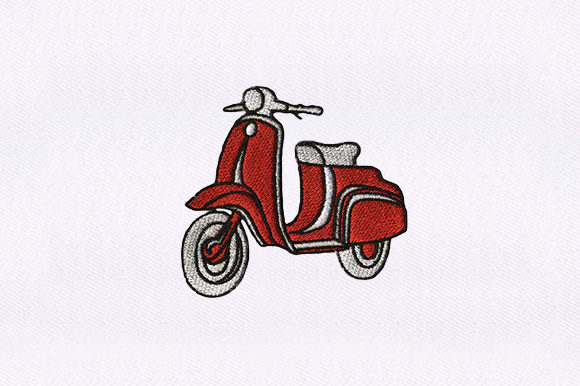
Scooter Embroidery Design: A Professional Designer's Hands-On Review
When browsing for new embroidery designs to integrate into my handmade product line, I’m always looking for files that promise not just visual appeal, but practical reliability. The Scooter embroidery design from Creative Fabrica caught my eye immediately. As a professional working on everything from custom apparel for boutique shops to embroidered patches for craft fairs, a design’s real-world performance is my primary concern. Here’s my detailed evaluation of Scooter, considering it for real customer orders and commercial embroidery projects.
First Impression: Visual Mood and Project Fit
The Scooter design exudes a cheerful, playful, and slightly vintage mood. It feels detailed without being overly complex, which is a perfect balance for decorative embroidery. Its personality leans towards whimsical and nostalgic, making it instantly suitable for a wide range of products. I immediately envisioned it on a child’s tote bag, a cozy sweatshirt, or as a charming accent on a baby blanket or nursery pillow cover. The design has a strong decorative appeal that doesn’t feel overly gendered or age-specific, broadening its application potential.
For creative entrepreneurs, this versatility is key. Whether you’re an Etsy seller stocking handmade gifts or an apparel decorator fulfilling custom orders, Scooter naturally fits into categories like Transportation-themed items, children’s accessories, and general home decor. It’s the kind of embroidery file that can become a staple in your design library.
Custom Apparel and Soft Goods
Testing Scooter on common project bases is crucial. On a standard cotton tote bag, the design stitches out cleanly, with a satisfying level of detail that makes the product feel special. For sweatshirts or hoodies, particularly on the chest or sleeve, its scale works well; it’s noticeable without dominating the garment. On more delicate items like a baby blanket or kitchen towel, the design’s adorable character enhances the handmade presentation significantly, increasing perceived value and giftability.
Specialty Applications: Caps, Patches, and Layered Details
Curved surfaces, like caps, require designs with careful stitch distribution. Scooter’s layout appears balanced, but I would always recommend a test run on a scrap cap fabric to check for any potential puckering, especially if there are dense fill stitch areas. For creating an embroidered patch, the design’s clear outlines and defined details would translate well, creating a professional-looking standalone product.
One aspect I always scrutinize is small detailing and stitch density. Designs with tiny, intricate elements can sometimes blend into a muddled texture on certain fabrics. Scooter seems to avoid overly minute details that might vanish, but inspecting small areas after a test stitch-out on both light and dark fabric is essential. This confirms the thread color contrast and integrity of the design.
Practical Considerations for a Successful Stitch-Out
No review is complete without discussing the groundwork. For any machine embroidery design, especially one intended for commercial use or sale, following best practices is non-negotiable.
- Always test on scrap fabric identical to your final product material. This reveals how Scooter behaves on textured, stretchy, or dense fabrics.
- Review the required hoop size carefully on the Creative Fabrica product page before starting. Matching the hoop size to the design ensures stability and alignment.
- Using the proper stabilizer is paramount. A design like Scooter, which likely uses satin stitches for outlines and fill stitches for areas, needs adequate support to prevent distortion, particularly on items that will undergo frequent washing.
- Create both light and dark fabric mockups, either digitally or with small test stitches, to plan your thread palette. This step directly impacts visual appeal and customer engagement in your product photography.
- After stitching, inspect the entire design, especially any potential layered details, to ensure everything has registered correctly. A clean finish builds buyer trust and brand consistency.
It’s important to note that I do not have specific details on stitch count, exact file formats, or licensing terms for Scooter from the provided description. Therefore, I strongly advise all users to confirm all file details and licensing on the Creative Fabrica product page before using the design to create finished items for sale. This is a critical step for digital product sellers and creative entrepreneurs to ensure compliant commercial use.
Impact on Product Value and Business Growth
From a business perspective, a reliable and appealing embroidery design like Scooter can be a significant asset. For Etsy listings or craft fair products, a well-executed embroidered item with a charming design enhances the handmade presentation, making it more photogenic and engaging for potential customers. It adds a layer of professionalism that separates a hobbyist project from a sellable product.
When used for personalized gifts or boutique merchandise, Scooter contributes to a cohesive visual theme if you specialize in certain styles. Its transport theme can anchor a product line of related items. Furthermore, the quality of the embroidery directly affects customer satisfaction for items like apparel or home decor, leading to repeat business and positive reviews.
For those offering commercial embroidery services, having a library of tested, high-performing designs like Scooter allows for quicker turnaround on client orders and confidence in the delivered quality. It also provides excellent design assets for creating printable mockups to showcase your services.
Final Verdict for Embroidery Designers
The Scooter embroidery design presents itself as a high-quality, detailed, and versatile file with strong potential for real project use. Its adorable character and balanced detail level make it a safe bet for enhancing a wide array of handmade products and custom apparel. However, its true worth will be determined by its technical execution in your specific context—the chosen fabric, stabilizer, hoop size, and machine settings.
My professional recommendation is to approach Scooter as you would any new digital embroidery file: with cautious optimism. Download it, study the product page for all technical and licensing specifics, and then run a comprehensive test on your target project material. If it stitches out cleanly and meets your quality standards, it could become a valuable and frequently used addition to your creative toolkit, helping you produce embroidered items that delight your customers and support your creative business.