Aerial Tramway Lineart: A Transportation Design with Clean Appeal
As an embroidery designer preparing for a weekend craft fair, my first task is to review potential designs with a critical eye for what sells, what looks good, and what is practical to produce. Today, I’m evaluating the Aerial Tramway Lineart embroidery design. This lineart design, falling into the transportation category, presents a unique opportunity for handmade market products.
First Impression: Modern Minimalism with a Nostalgic Touch
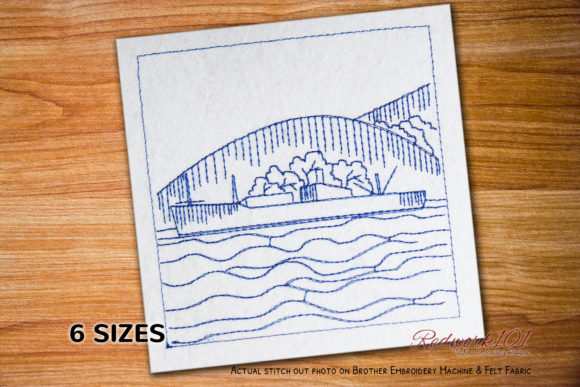
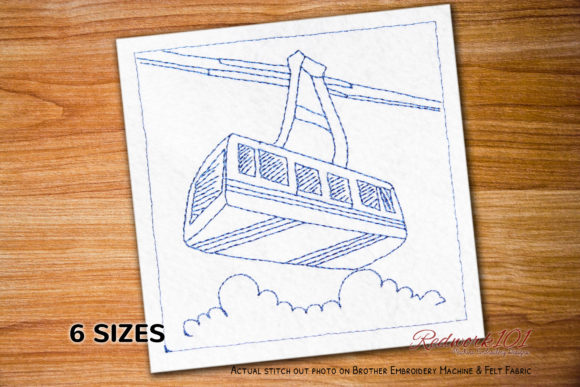
The immediate feel of Aerial Tramway Lineart is clean and modern. The lineart style suggests minimalism, but the subject—an aerial tramway—injects a subtle touch of nostalgia or travel-themed charm. It isn't overly cute, rustic, or farmhouse; instead, it leans decorative and slightly premium, relying on its elegant simplicity to stand out. This balance makes it versatile, potentially appealing to customers looking for a design that is graphic yet soft, not overtly themed or seasonal.
Product Performance: Where This Design Will Shine
When I visualize my booth display—filled with tote bags, aprons, tea towels, patches, caps, and pillow covers—I consider where Aerial Tramway Lineart would command attention.
For tote bags and market bags, this design could act as a striking focal point, especially on a solid-colored canvas or linen. Its clean lines would translate well, creating a sophisticated look. On aprons and kitchen towels, it might serve as a more decorative accent, perhaps placed on a pocket or corner, adding a touch of personality without overwhelming the functional item.
Embroidered patches featuring this design could be a strong seller. The lineart style, if the details are not too tiny, would maintain clarity on a patch, appealing to those who enjoy transportation motifs or minimalist badges. For caps, careful consideration is needed; the curved surface can distort designs, so testing on scrap fabric is crucial to ensure the tramway’s lines remain crisp.
As a small shop product for a boutique maker, Aerial Tramway Lineart could elevate simple items like fabric pouches or pillow covers. It adds a design element that feels intentional and artful, boosting the perceived value of the handmade product. For online sellers, creating a real, physical mockup is essential to photograph it well; its simplicity should photograph cleanly for Etsy listings and printable mockups, making it an attractive digital embroidery file for commercial use.
Key Production Considerations for a Craft Fair
Before committing to batch production, several practical points must be addressed.
- Design Clarity at Scale: The description mentions an optional box stitch. For craft fair products, I’d likely skip the outer box color as suggested, letting the tramway itself be the hero. However, I need to test the design at different sizes. Is the lineart detailed with tiny elements that might blur or break when stitched small on a pouch? Or does it work better as a larger statement on a tote? I must check the embroidery file specifics, like recommended hoop size, before proceeding.
- Stitch Density and Fabric Choice: Lineart designs can sometimes have areas of dense stitching or very fine lines. On textured fabrics like tea towels, these details might lose sharpness. Using the correct stabilizer is non-negotiable. Testing on both light and dark fabric is also vital to ensure thread contrast is strong—a light tramway on a dark bag can look exceptionally crisp.
- Batch Production Feasibility: For a weekend fair, I need designs I can produce reliably in batches. Aerial Tramway Lineart feels repeatable if the stitch count isn’t excessively high and the thread color palette is manageable. A simpler color scheme speeds up production, a key factor when preparing dozens of items.
Attracting Customer Attention at the Booth
At the craft fair, visual appeal and immediate understanding are everything. A customer walking past should grasp the design's essence quickly. Aerial Tramway Lineart, with its recognizable transportation silhouette, has good potential for this. It’s not an abstract shape; it’s a specific, charming vehicle. This can spark conversation—perhaps about a favorite city with tramways or a love for travel—enhancing buyer engagement.
Displaying it on a variety of products strengthens the booth. A tramway-embroidered tote bag next to a matching patch and a pillow cover creates a cohesive, mini-collection that suggests brand consistency and thoughtful craftsmanship. This curated look often attracts customers who appreciate a coordinated aesthetic.
Critical Embroidery Designer Notes Before Selling
My professional process involves several checks before any design hits the sales table.
- Create a Real Physical Mockup: I will stitch Aerial Tramway Lineart on a scrap of the actual fabric I plan to use (e.g., canvas for totes, twill for caps). This reveals any issues with stitch density or fabric texture interference.
- Inspect Thread and Color Application: Since the outer box color is optional and often different, I’ll decide if omitting it strengthens the minimalist appeal for my product line. I’ll also compare how the design looks on various fabric colors in person.
- Confirm All Commercial Use Rights: As a digital seller and maker of finished products, I must verify the commercial embroidery license for this embroidery file. I cannot assume; I must check the provided terms before selling any embroidered goods.
- Evaluate Photographic Appeal: I’ll photograph the mockup in my typical listing style. Does the lineart look sharp and professional? Does it convey the handmade quality I want to project?
Final Judgment: A Versatile Contender for the Market Table
Aerial Tramway Lineart presents a compelling case. Its modern, minimalist aesthetic is currently popular, and its transportation theme offers a niche appeal without being too narrow. It feels adaptable—able to be the star on a large item or a polite accent on a smaller one.
For the craft fair seller, the primary advantages are its visual clarity and potential for perceived value. On a well-made tote bag or apron, it looks deliberate and designed, not just stamped on. The production considerations are standard but crucial: testing scale, fabric, and stitch integrity. Provided the embroidery design file is well-digitized with appropriate stitch spacing, this design could become a reliable part of my craft fair product rotation, appealing to customers seeking clean, graphic, and slightly thematic designs for their everyday items and handmade gifts.
My advice to fellow embroidery business owners and creative entrepreneurs is straightforward: take this machine embroidery design, run the practical tests, and see how it performs on your chosen materials. Its success will hinge on that hands-on review and your ability to present it as a cohesive, high-quality element of your handmade shop’s story.