A Designer's Take on the Milkshake Embroidery Design for Markets
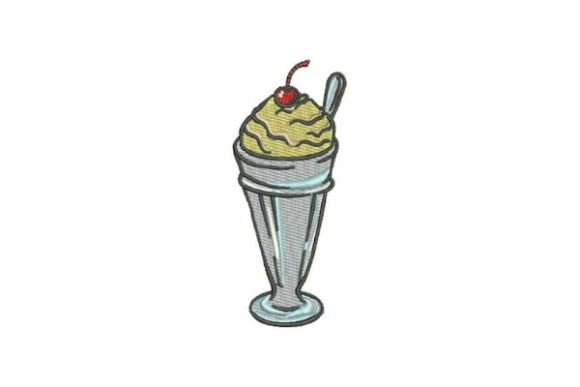
When I’m selecting designs to produce for a weekend craft fair booth, my first filter is always the first impression. Looking at the Milkshake embroidery design, the immediate vibe is fun, nostalgic, and undeniably cute. It doesn’t lean into rustic farmhouse or minimal modern; it’s a cheerful, accessible dessert motif that feels celebratory and soft. This emotional hook is crucial—it’s the kind of design that can make a customer smile as they walk past your table.
Where the Milkshake Design Shines on Products
My mind goes straight to the physical display. On a crowded market table, you need products where a design can pop instantly. For Milkshake, its strength lies in being a clear, recognizable icon. This makes it incredibly versatile for different craft fair products.
On a simple cotton tote bag or a market bag, Milkshake becomes a playful focal point. It’s not too large to overwhelm the bag’s utility, but bold enough to be noticed from a few feet away. For kitchen-centric items—aprons and tea towels—this design is a perfect match. It inherently suggests fun in the kitchen, making an apron embroidery or tea towel embroidery feel like a special, giftable item rather than just a utilitarian one.
I would also seriously consider it for embroidered patches and small fabric pouches. As a patch, it’s a standalone piece of wearable art that appeals to a younger, craft-conscious crowd. On a small pouch, it becomes a charming accent. For pillow covers or caps, you need to be mindful of scale and surface curvature, but if the design’s detail holds up, it could add a sweet, decorative touch to a home or casual wardrobe.
The Practical Production Checklist
Turning a digital embroidery file into a sellable handmade product requires a practical eye. The description notes it comes with multiple embroidery file formats, which is excellent for compatibility across different machines. Before running any batch production, here is my standard review process.
- Test on Scrap Fabric First: Always embroider the design on a scrap of the exact fabric you plan to use for your final product—whether it’s canvas for a tote, linen for a towel, or twill for a cap. This reveals how the fabric texture interacts with the stitches.
- Check Thread Contrast: A design like Milkshake, with likely defined layers (glass, straw, whipped cream), needs good color separation. Test on both light and dark fabric to ensure details like the straw or lettering don’t disappear.
- Review Stitch Density and Small Details: Dessert designs can have dense, satin-stitched areas (like the glass) and potentially tiny details (like sprinkles or text). High stitch density on thick or textured towels might require a sturdy stabilizer to prevent puckering. Any small lettering must be inspected for clarity at your intended hoop size.
- Create a Real Mockup: Before committing to a batch, produce at least one finished product, like a tea towel or tote bag. This lets you evaluate the final look, feel, and how it photographs for your Etsy seller listings or printable mockups.
- Confirm Commercial Licensing: The description mentions it can be used in multiple embroidery machines, but always verify the license terms for selling finished products before you produce anything for your small shop product line.
Photography and Customer Attention at the Booth
In person, a well-executed Milkshake embroidery has immediate appeal. It’s not abstract; people understand it at a glance. This speeds up buyer engagement. On a booth display, grouping Milkshake items together—a towel, an apron, a pouch—creates a strong thematic section that tells a story and boosts perceived brand consistency.
For online sales, the design photographs well because it’s graphic and colorful. It will stand out in an Etsy listing grid against more generic designs. The handmade quality is evident in the precise stitching of the milkshake layers, which adds to the product value.
Careful Use Notes for Specific Applications
While versatile, some applications demand extra consideration. Embroidering on curved surfaces like caps requires a design that can be scaled appropriately without losing its key details. If the Milkshake design has intricate elements, a smaller version for a cap might need simplification.
As a small shop product, batch production is key for efficiency. Evaluate if the design is repeatable. Is the stitch count moderate so you can produce several towels or bags in a session without excessive thread changes or machine time? The provided embroidery file formats should help with consistent results across multiple hoops and hoop sizes.
Finally, fabric choice is part of the design’s success. A crisp white tea towel makes a Milkshake design look vibrant and clean, enhancing that premium, giftable feel. On a dark tote bag, ensure your thread colors are chosen for maximum pop and clarity.
Final Judgment for Market Success
The Milkshake embroidery design is a strong candidate for a craft fair or handmade market lineup. Its mood is universally appealing and fits neatly into the popular dessert and foodie motif category. It translates well across high-volume items like kitchen textiles and totes, which are staple sellers. By managing the practical commercial embroidery steps—testing, stabilizing, and verifying licenses—you can transform this cute machine embroidery design into a profitable, attention-grabbing part of your booth. Its visual charm, when paired with quality execution, turns a simple digital file into a tangible product that customers want to hold, buy, and own.