A Designer's Review: The Charming Monkey Face Embroidery
When a new embroidery file lands on my desk, I treat it like a potential new star for my personalized gift shop. I imagine the final product on a customer's cherished item. Today, I'm reviewing the Monkey Face design, a delightful entry in the Woodland Animals category. This is a hands-on review from the perspective of a professional embroiderer, thinking through its real-world application for baby blankets, wedding keepsakes, and all the custom products my shop creates.
The First Glance: Sweetness with a Handmade Heart
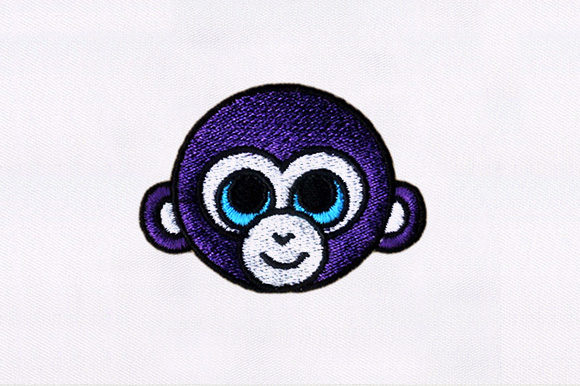
Opening the Monkey Face embroidery file, the immediate impression is one of gentle playfulness. This isn't a cartoonish caricature; it carries a soft, almost classic charm. The detail level suggests a design that feels lovingly handmade rather than mass-produced, which is a critical emotional appeal for gift buyers. It leans sweet and elegant, with a timeless quality that avoids being overly seasonal. I could see it appealing to a customer looking for something romantic for a nursery or a whimsical touch for a family kitchen apron. It has that warmth that makes a product feel special from the moment it’s stitched.
Where This Monkey Finds Its Home: Gift Ideas Galore
The true test of a design is its versatility across personalized gift products. Monkey Face shines here. For baby embroidery, it's a perfect candidate for a nursery pillow cover, a blanket corner, or a subtle decoration on a keepsake towel. Its sweet mood aligns beautifully with baby product creators' needs. For wedding gift designers, imagine this design paired with initials or a date on a custom tote bag or apron for a bridal shower—it adds a personalized, playful touch to a sophisticated gift.
For everyday best-sellers, this design adapts seamlessly. Embroidered towels with a single, charming monkey face feel elevated. Pillow covers become unique home decor items. For craft fair products and Etsy listings, a well-stitched Monkey Face on a simple apron or tote bag immediately tells a story of handmade quality. It’s excellent for digital product sellers offering custom order previews; clients can easily visualize this design on their chosen item. As a family keepsake, stitched onto a blanket or a wall hanging, it creates an emotional connection that generic prints cannot.
Applications for Different Artisans
- Baby Product Creators: Nursery item labels, blanket embroidery, soft bib decorations.
- Wedding Gift Designers: Keepsake pillow covers, custom tote bags for bridal parties, personalized kitchen towels for new couples.
- Etsy & Small Shop Owners: Featured design on pillow covers, aprons, and tea towels for consistent shop branding.
- Crafters & Handmade Sellers: A standout motif for craft fair tote bags, simple yet attractive for quick production.
- Gift Shop Owners: A reliable, charming design for custom embroidered towels and blanket orders, appealing to a broad audience.
Considerations for a Perfect Stitch
Even a charming design requires practical planning. For Monkey Face, attention to application is key for a flawless finished product. On items with small lettering areas or delicate details around the design, placement must be precise. The design should be used carefully on thick towels or textured fabric; proper stabilizer choice is paramount here.
For stretchy baby clothes, extra stabilization and potentially a lighter stitch density might be needed, which requires checking the file's actual stitch settings. Embroidering on curved surfaces like the sides of a tote bag demands careful hooping. On dark fabric, thread color contrast must be planned—a test stitch on scrap fabric is non-negotiable. And for products that need frequent washing, like kitchen towels or aprons, reviewing the stitch density and thread type will ensure longevity and maintain that handmade quality customers trust.
Practical Embroidery Notes for This Design
- Always test on scrap fabric matching your final product's weight and texture.
- Check thread color contrast against both light and dark fabric mockups before committing.
- Confirm the hoop size required by checking the actual embroidery file details in the provided formats like PES, DST, or JEF.
- Review stitch density on your test piece to ensure it suits delicate fabrics or thick terry cloth.
- Use proper stabilizer—likely a cut-away for heavy fabrics or frequent-wash items.
- Check small facial details after stitching to ensure clarity, especially on textured materials.
- Crucially, confirm commercial licensing terms before selling finished products, as this review is based on the design's aesthetic and technical potential only.
The Giftability Factor: Why Customers Will Love It
From a shop owner's perspective, Monkey Face directly boosts giftability and perceived value. A well-executed stitch of this design transforms a simple towel or pillow into a meaningful personalized gift. It feels intentional and crafted, building customer trust in your handmade quality. The emotional connection is strong—it’s not just a monkey; it’s a sweet, classic character that evokes warmth and nostalgia.
For product photography, this design provides a clear, attractive focal point that engages buyers in Etsy listings or social media. Its clean, charming lines make the embroidery the hero of the image. Buyer engagement increases because the design tells a story; a customer buying a baby gift can imagine the recipient’s delight, and a buyer for a kitchen item sees the personality it adds to a home. It’s a versatile tool for building a shop’s reputation for thoughtful, high-quality custom embroidery.
Final Thoughts for the Working Designer
The Monkey Face machine embroidery design is a robust, charming asset for any artisan creating personalized gifts. Its mood fits a wide range of emotional appeals—from sweet baby items to playful home decor. Its success hinges on the embroiderer's skill in pairing it with the right fabric, stabilizer, and thread, following the practical notes above.
Remember, this review is a starting point. The provided file formats—including 10O, ART, CND, DSB, DST, DSZ, EXP, HUS, JEF, PCS, PEC, PES, TAP, VIP, VP3, XXX—mean compatibility with most machines, but you must check the specific details like exact hoop size and stitch count within your software before production. Embrace it as a digital embroidery file that, with careful application, can become a beloved feature on countless finished products, from wedding keepsakes to everyday items that carry a special, handmade touch.