When It's Dark: A Bright, Colorful Embroidery Review
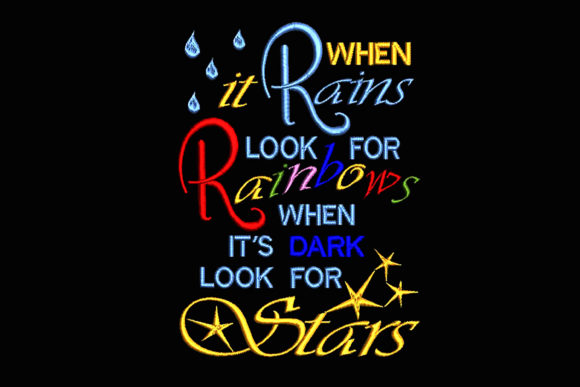
As I sit here preparing my stock for a weekend craft fair, my latest machine embroidery design file sits on the screen: When It's Dark. The name itself gives you the first clue. This isn't a somber piece; it’s an inspirational quote meant to brighten your days. That emotional hook is everything at a bustling handmade market. Let’s walk through this design from the practical perspective of someone who needs to turn a digital embroidery file into profitable, beautiful craft fair products.
First Impressions: Mood, Marketability, and Fabric Choices
The description calls it colorful and easy stitch. My immediate take? This design leans bright, modern, and decorative. It feels optimistic. That’s a premium quality in the inspirational category. In a booth packed with handmade goods, a piece that radiates positivity has a real edge. It’s not overly rustic or farmhouse; its colorful nature suggests a more contemporary, cheerful aesthetic that works across customer ages.
Before I even stitch it out, I’m thinking about fabric. A colorful design needs contrast. On dark fabric backgrounds—think navy tote bags or black caps—this will pop brilliantly. On lighter linens and cotton tea towels, it will feel fresh and vibrant. The two hoop sizes mentioned are crucial. This gives flexibility. I can imagine a smaller version as a charming accent on a fabric pouch or patch, and a larger version as a bold focal point on a pillow cover or market bag.
Product Performance: Where Will It Sell Best?
I visualize my table: tote bags, aprons, tea towels, patches, caps, pouches, pillow covers. Which products give When It's Dark the best chance to catch a customer's eye and sell?
- Tote Bag Design & Market Bags: This is a top contender. A large, colorful inspirational quote on a sturdy canvas tote is an instant sellable product. It’s functional, giftable, and the message is visible and engaging.
- Apron Embroidery: For a kitchen apron, the bright, happy tone fits perfectly. It becomes a cheerful accessory for cooking or gardening.
- Tea Towel Embroidery: A smaller hoop size on a quality linen towel makes a fantastic small shop product. It’s affordable, useful, and looks great stacked in a display.
- Embroidered Patches: The smaller size option is perfect here. Patches are hot right now. This colorful design can be ironed or sewn onto jackets, bags, and hats, appealing to a younger, crafty crowd.
- Pillow Covers: A larger version on a linen or cotton pillow cover elevates it to a home decor item. This increases perceived value and price point.
- Caps & Pouches: On a curved cap surface, careful stabilizer use is key. For a small fabric pouch, it becomes a delightful detail that suggests handmade quality.
The design’s strength is its versatility. It can scale from a small accent to a large statement piece across your entire product line.
The Practical Production Checklist
Turning a file into a batch of craft fair products requires a business-minded approach. Here’s my review for production.
Clarity & Customer Understanding
An inspirational quote needs to be easily read at a glance. From the description, it seems straightforward. There’s no mention of tiny, intricate lettering, which is a relief. Dense stitch areas or very small details can slow production and risk clarity on textured towels or thick fabrics. I’ll need to test it to confirm.
Photography & Online Sales
For my Etsy listings and printable mockups, colorful designs photograph beautifully. They stand out in search grids. When It's Dark should look vibrant and sharp in photos, which is half the battle for digital sellers. Creating a real, physical mockup—not just a digital preview—is non-negotiable. I’ll stitch it on a sample tote bag first to see true thread color interaction and texture.
Batch Production & Consistency
Is this design repeatable? An “easy stitch” description suggests manageable stitch density and reasonable thread color count, which is ideal for batch-producing multiple tea towels or patches. Consistent results mean consistent brand quality for my booth display.
Careful-Use Notes for the Embroidery Designer
Every design has its quirks. Before I load the first hoop, my internal notes kick in.
- Always test on scrap fabric first, especially the fabric type you’ll use most (like canvas for bags).
- Check thread contrast against your planned fabric colors. A colorful design might need bright threads on dark fabric, or softer threads on light fabric to maintain its bright feeling.
- Review spacing and scale with the two hoop sizes. The smaller size must retain clarity; if lettering gets too tight, it might blur.
- Stitch density matters for textured towels and curved cap surfaces. Too dense can pucker; too light can look sparse.
- Use the right stabilizer for each product. A tear-away for sturdy totes, a cut-away for stretchy caps or patches.
- Compare fabric colors physically. Does “brighten your days” feel brighter on cream linen or on charcoal gray?
- Confirm commercial licensing before selling finished products. The description says it comes with multiple embroidery files, but I must verify the license terms for commercial embroidery use on products I sell.
These steps directly affect visual appeal, customer attention, and ultimately, product value. A poorly executed design on a beautiful product hurts everything.
Final Booth Display Strategy
So, where will When It's Dark stand out in my booth? I’ll place the larger, boldest version on a central display item—perhaps a pillow cover or a standout tote bag hung at the front of the table. The smaller, accent versions will be grouped on practical items like tea towels and pouches, creating a theme. This shows versatility and gives customers options at different price points.
The inspirational message encourages buyer engagement. People read it, connect with it, and that’s the moment they consider it as a gift or a purchase for themselves. It adds an emotional layer to the handmade product, beyond just aesthetics.
In the end, the promise of When It's Dark is its mood. It’s meant to brighten days. In a craft fair environment, that bright, colorful, optimistic feeling isn’ just a design choice—it’s a sales strategy. By carefully selecting the right products, testing thoroughly for production clarity, and displaying it with intention, this machine embroidery design has a strong chance to become a reliable, sellable part of my handmade market lineup. Happy stitching, indeed—and happy selling.