Teddy Bear Line Art: A Boutique Sweatshirt Review
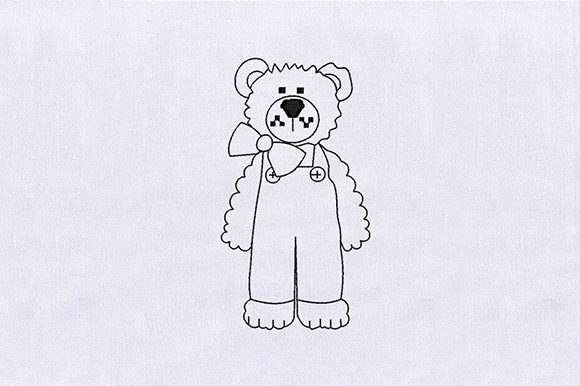
As a professional embroidery designer preparing for a premium sweatshirt collection, my first task is to evaluate every potential design. The Teddy Bear Line Art design immediately presents a clear aesthetic. Its title suggests a clean, graphic approach, and that impression holds true. This isn't a dense, textured teddy bear; it’s a form defined by its outlines. For a boutique brand, this means the design leans into a modern, minimal, and highly decorative mood. It feels both cute and sophisticated—a blend that works beautifully for apparel targeting a discerning, style-conscious customer.
First Impressions: Mood, Layout, and Stitching Personality
The mood here is playful yet restrained. The line art approach gives Teddy Bear Line Art a lightweight, almost illustrative personality. On a finished embroidered product, I imagine the stitching will have a crisp, defined edge. The detail level, implied by the description, seems balanced for apparel: enough character to be recognizable, but not so intricate that it becomes lost on fabric textures. This is a design that relies on contrast and clean execution. Its personality isn’t loud or bold; it’s quietly charming, which can be a powerful tool for building a brand identity that feels intentional and premium.
Placement and Application for Sweatshirt Collections
Thinking about our limited sweatshirt drop, Teddy Bear Line Art offers versatile placement options. For a classic, casual look, chest placement on an oversized hoodie is a natural fit. The design’s likely scale makes it perfect as a central focal point without overwhelming the garment. On a dark fabric, like a charcoal grey sweatshirt, this embroidery file would pop with brilliant contrast, especially if stitched in a bright white or soft pastel thread. Conversely, on a neutral sweatshirt—heather grey, cream, or oatmeal—it would adopt a more subtle, integrated feel.
As a sleeve accent or smaller repeat on the back of a hoodie, it could serve as a delightful decorative element. This adaptability is key for a small shop product. We can create a cohesive collection using the same Teddy Bear Line Art across different garment styles—from cozy seasonal apparel like heavyweight sweaters to lighter cotton sweatshirts—maintaining brand visual recognition without monotony.
Practical Considerations for Commercial Use
Moving from aesthetic to practical, several designer concerns come to mind for successful commercial embroidery. First, thread color contrast is paramount. With a line art design, the choice of thread against the fabric color defines the entire piece. A mis-match here could render it faint or illegible.
Stitch density is another critical factor. A high-quality machine embroidery design should have an optimized density for the fabric thickness. For sweatshirts and hoodies, which have a loftier texture, a design too dense can sink into the fabric or create puckering, while one too light might not read well. The description notes it’s for machine embroidery, but the exact stitch count and file format aren’t specified. Before production, checking these details with the digitizer is essential.
Similarly, hoop size and stabilizer choice are foundational. A design this style likely requires a stable base to keep those clean lines sharp after washing. Using the correct stabilizer for the sweatshirt’s fabric weight ensures washing durability and a professional finish. Small-size readability is also a test; if we offer children’s sizes or want a tiny logo version, we need to verify the design remains clear at a reduced scale.
Overall, Teddy Bear Line Art feels strong enough for commercial apparel use if the underlying digitizing is robust. Its decorative, minimal nature means it’s not relying on huge filled areas that can stress fabric, which is a positive for longevity and handmade presentation.
Elevating Product Value and Brand Identity
For a boutique brand, a sweatshirt is more than a garment; it’s a piece of merchandise that communicates brand values. Embroidered with Teddy Bear Line Art, a simple sweatshirt transforms. The embroidery adds tactile value and a sense of craft, directly boosting the product’s perceived worth. In lifestyle product photography and printable mockups, this clean design will photograph exceptionally well, looking crisp and intentional on the model.
For Etsy sellers and small clothing brands, this clarity builds buyer trust. A well-executed embroidery signals attention to detail and quality craftsmanship. Teddy Bear Line Art, as a design asset, can become a signature element for a brand. Its cute, rustic, yet minimal vibe could define a whole collection, helping with customer engagement through a recognizable, beloved motif.
Final Thoughts for Creative Entrepreneurs
The Teddy Bear Line Art design holds significant promise for a premium sweatshirt project. Its line art aesthetic offers a modern twist on a classic theme, suitable for neutral sweatshirts, dark fabrics, and pastel colors alike. It feels premium because of its simplicity and relies on excellent execution to shine.
My recommendation to fellow embroidery shops and apparel decorators is to proceed with a thorough technical review. Acquire the digital embroidery file and test it on your typical sweatshirt material. Assess the stitch density, the required hoop placement, and the thread color palettes that work best. Create a sample, wash it, and see how it holds. If it passes these tests, Teddy Bear Line Art could be a beautiful, versatile centerpiece for a boutique’s cozy apparel line, enhancing brand identity and delivering a finished product that customers will adore for its handmade charm and clean style.
Remember, the success of any custom apparel project hinges on pairing a great design with professional embroidery techniques. This cute embroidery has the potential to look adorable on any fabric, but realizing that potential is up to the care and skill of the maker.