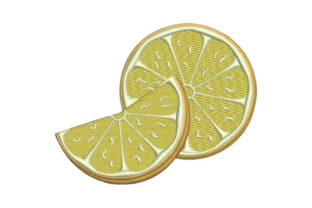
Evaluating the Sliced Lemon Embroidery Design for Market Success
As someone who’s spent years turning digital designs into profitable craft fair products, I approach every new file with a practical eye. Today, I’m reviewing the Sliced Lemon machine embroidery design, imagining how it would perform on my booth table this weekend. The goal isn't just whether it’s a nice image; it’s whether it can become a product that sells.
First Impressions: Fresh, Crisp, and Versatile
The description promises a “crispy and fresh touch,” and that’s exactly the vibe. This Sliced Lemon design leans into a bright, cheerful aesthetic. It’s not overly rustic or farmhouse; it feels more modern and graphic. This is key—it has a clean, decorative quality that can appeal beyond strict kitchen themes. It feels premium and soft, not cluttered or overly cute. For a handmade product, that visual clarity is a major selling point. Customers at a market glance at a table for something that immediately communicates quality and intent.
Where Sliced Lemon Would Stand Out on the Booth Table
Imagine your display: a mix of embroidered tote bags, aprons, tea towels, caps, and small pouches. Sliced Lemon needs a home where its freshness is a natural fit.
- Tote Bags & Market Bags: A large, central embroidery of this design on a natural canvas tote screams “summer market” and “fresh produce.” It’s bold enough to be a focal point.
- Aprons & Kitchen Towels: This is its classic territory. On a chef’s apron or a linen tea towel, it feels timeless and functional, instantly boosting the product’s perceived value.
- Pillow Covers: For a more decorative, giftable item, a pair of these on simple pillow covers could create a lovely, subtle citrus theme in a living space.
- Embroidered Patches & Pouches: As a smaller accent on a fabric pouch or as a standalone patch, the design needs to retain detail. This is where we must be careful.
- Caps: On the curved surface of a cap, a bright lemon slice could be incredibly playful and eye-catching, perfect for engaging younger buyers.
The best chance for a quick sale? I’d lean towards the tea towel embroidery or the tote bag design. They’re staple craft fair products, and the design’s theme aligns perfectly, making it easy for a customer to understand and desire the item immediately.
Practical Production: From File to Finished Product
As a professional embroidery designer producing for a craft fair product lineup, the practicality of stitching this out in batch is paramount.
Design Complexity and Stitch Considerations
The phrase “juicy sliced lemon” suggests possible details: segments, pulp texture, perhaps a rind. We need to consider:
- Stitch Density: Areas meant to look “juicy” might be filled with denser satin stitches. On textured towels or thick fabric like canvas, this requires excellent stabilizer to prevent puckering.
- Tiny Details: Small seeds or thin rind lines could lose clarity at smaller sizes, especially on a embroidered patch. Before batch production, test the design on scrap fabric at the intended hoop size.
- Thread Colors: Contrast is vital. This design likely relies on bright yellows against whites or creams. On dark fabric, the entire color palette would need rethinking, potentially losing its “fresh” feel.
- Hoop Size & Scale: Is it adaptable? Can it be stitched beautifully large (for a tote) and small (for a pouch)? The note about multiple embroidery file formats is promising, as it suggests scalability, but always confirm hoop size specifics before committing.
Batch Production and Photographic Appeal
For an Etsy seller or small shop product, repeatability is gold. Sliced Lemon feels repeatable—it’s a singular, iconic image that can be produced consistently. Its clean lines should also photograph beautifully for online listings and printable mockups. A crisp lemon on a white towel looks professional and appealing in an Etsy listing thumbnail, which is half the battle.
However, never skip this step: create at least one real mockup. Stitch it out on the final product fabric—a towel, a bag, a cap. Compare fabric colors. How does it look in person, under market lights? Does it pop?
Customer Attention and Booth Display Strength
A booth is a visual story. Sliced Lemon contributes a note of bright, clean freshness. If your brand leans towards kitchen, garden, or modern minimalist handmade goods, this design strengthens consistency. Grouping several Sliced Lemon products together—towels next to aprons next to totes—creates a powerful thematic display that draws customers in.
It affects buyer engagement by being easily understandable. People don’t need to decipher it; they recognize it and its potential use immediately. This speeds up the decision process. On a cap or pouch, it becomes a conversation-starting accent piece, perhaps engaging a buyer looking for a unique gift.
Final Designer Notes: The Pre-Production Checklist
Before I digitize this design into my production schedule for commercial embroidery products, my final review checklist is straightforward:
- Check Commercial Licensing: The description mentions it can be used in multiple ways. I must confirm the license explicitly allows selling the finished product at craft fairs and online.
- Review Spacing and Stabilizer Needs: Based on my test stitch-out, I’ll decide the best stabilizer for each fabric type (textured towels vs. smooth canvas).
- Inspect Stitch Density: High-density areas can slow production and wear thread. I’ll ensure it’s efficient for batch stitching.
- Confirm Design Assets: Having multiple digital embroidery file formats is a huge advantage for using different machines. I’ll verify all included formats work correctly.
- Plan the Product Line: I’ll decide my anchor product (likely towels) and one accent product (perhaps patches or pouches) to offer variety.
The Sliced Lemon embroidery design has strong potential. Its fresh, graphic style translates well to high-demand craft fair products. With careful attention to its execution on different fabrics and surfaces, it can become a standout, profitable piece in any handmade market lineup. Remember, the digital file is just the beginning. Its real value is created when it’s stitched perfectly onto a product a customer loves enough to take home.