A Banjo Player Redwork Design Review for Business Merchandise
First Impression: Rustic Charm and Handmade Appeal
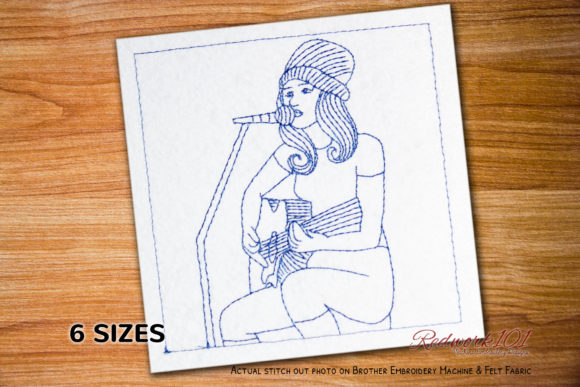
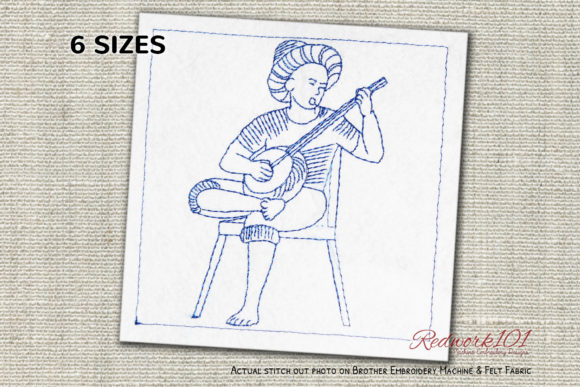
When reviewing the Banjo Player Redwork Design for business use, my first impression is one of rustic charm and authentic handmade appeal. The redwork style, typically characterized by its clean, single-color outlines, lends a classic and folksy personality. This isn't a generic, slick logo; it feels like a premium, story-driven design. For a small business in the music, craft, or lifestyle sector, this visual personality immediately communicates a friendly, artisanal, and perhaps nostalgic brand identity. It’s decorative yet professional, striking a balance between being playful and elegant.
Versatile Applications for Your Small Business Merchandise
The Banjo Player Redwork Design is remarkably versatile for branded merchandise. Its clear, outlined composition makes it an excellent candidate for various applications.
- Embroidered Patches: This is a prime use case. The design can be stitched onto a patch for hats, bags, or jackets, serving as a perfect product label or customer gift. Its likely moderate stitch density should handle patch material well.
- Staff Uniforms & Workwear: Imagine this design as a subtle chest logo on a café server’s apron or a sleeve detail on a boutique’s staff shirt. It adds a touch of branded professionalism without being overwhelming.
- Cap Embroidery: On the front of a cap, the Banjo Player Redwork Design can become a signature item for event merch or team wear. The optional box stitch noted in the description could provide a neat border for such applications.
- Tote Bag & Apron Design: As a focal point on a tote bag or apron, this design elevates simple custom apparel into branded, sellable merchandise for an Etsy shop or local business.
- Product Packaging Accents: For a handmade shop or creative studio, a small embroidered version on a product tag or label can significantly boost perceived product value and visual consistency.
Where to Use This Embroidery Design with Care
While versatile, applying the Banjo Player Redwork Design successfully requires some professional consideration, especially for commercial embroidery projects.
- Small Patch Sizes & Cap Fronts: Always test the embroidery file at a small size first. Ensure the banjo player's details and any potential lettering remain clear and legible when reduced for a small patch or a curved cap front.
- Fabric Texture & Color: Redwork on dark uniforms or textured fabrics like denim needs excellent thread color contrast. You might need to adjust the default color for optimal visibility.
- High-Wash Items: For merchandise like work shirts or tote bags that need frequent washing, verify the stitch structure is robust. Using proper stabilizer during embroidery is crucial for longevity.
- Detailed Outlines: The design relies on its outlines. On very small scales or curved surfaces, inspect the spacing to prevent thread bundles from merging and blurring the image.
Building Brand Identity and Customer Trust
Integrating the Banjo Player Redwork Design into your business assets goes beyond decoration. It affects core brand elements.
This design fosters customer recognition. A consistent embroidered logo on uniforms, aprons, and tote bags makes your brand memorable. Its handmade presentation directly aligns with businesses that value craftsmanship, building immediate customer trust and engagement. It signals that you care about details. For a music-themed café, a pet brand with a rustic name, or a handmade shop, this design reinforces your story, adding professionalism and elevating the perceived product value of your merchandise.
Practical Designer Notes Before You Stitch
Before running this digital embroidery file on your machine for a business order, follow these practical steps.
- Test in Black and White First: Run a test on scrap fabric in a single, contrasting color to evaluate clarity and stitch integrity, especially at your intended smallest size.
- Check Thread Color Contrast: The description notes the outer box color can vary. Select thread colors that pop against your final garment or patch background.
- Confirm Hoop Size and Stabilizer: Match the design size to a suitable hoop and use the correct stabilizer for your target fabric to prevent puckering.
- Create a Printable Mockup: Generate a mockup for client approval if you're embroidering for another business. This avoids surprises and ensures the Banjo Player Redwork Design fits their brand identity.
- Compare Beside Other Assets: Place a stitched sample beside your other branding elements to check for visual consistency across your merchandise.
- Confirm Commercial Licensing: As a final, critical step, verify your license for the embroidery file allows for commercial embroidery on the products you intend to sell.
The Final Stitch: A Design with Business Potential
In conclusion, the Banjo Player Redwork Design holds significant potential for small business merchandise and branding. Its rustic, handmade aesthetic is a powerful tool for businesses wanting to project authenticity and quality. From embroidered patches for your Etsy shop to apron designs for your bakery, its application can enhance brand identity across multiple touchpoints. By carefully testing its performance on different items and scales, and adhering to professional embroidery practices, you can transform this music-themed design into a durable, recognizable asset that adds value to your custom apparel and branded products. Always remember to review the specific file details, like exact stitch count and included formats, provided with your purchase to ensure a smooth transition from digital file to finished product.